Please follow us on X and Telegram
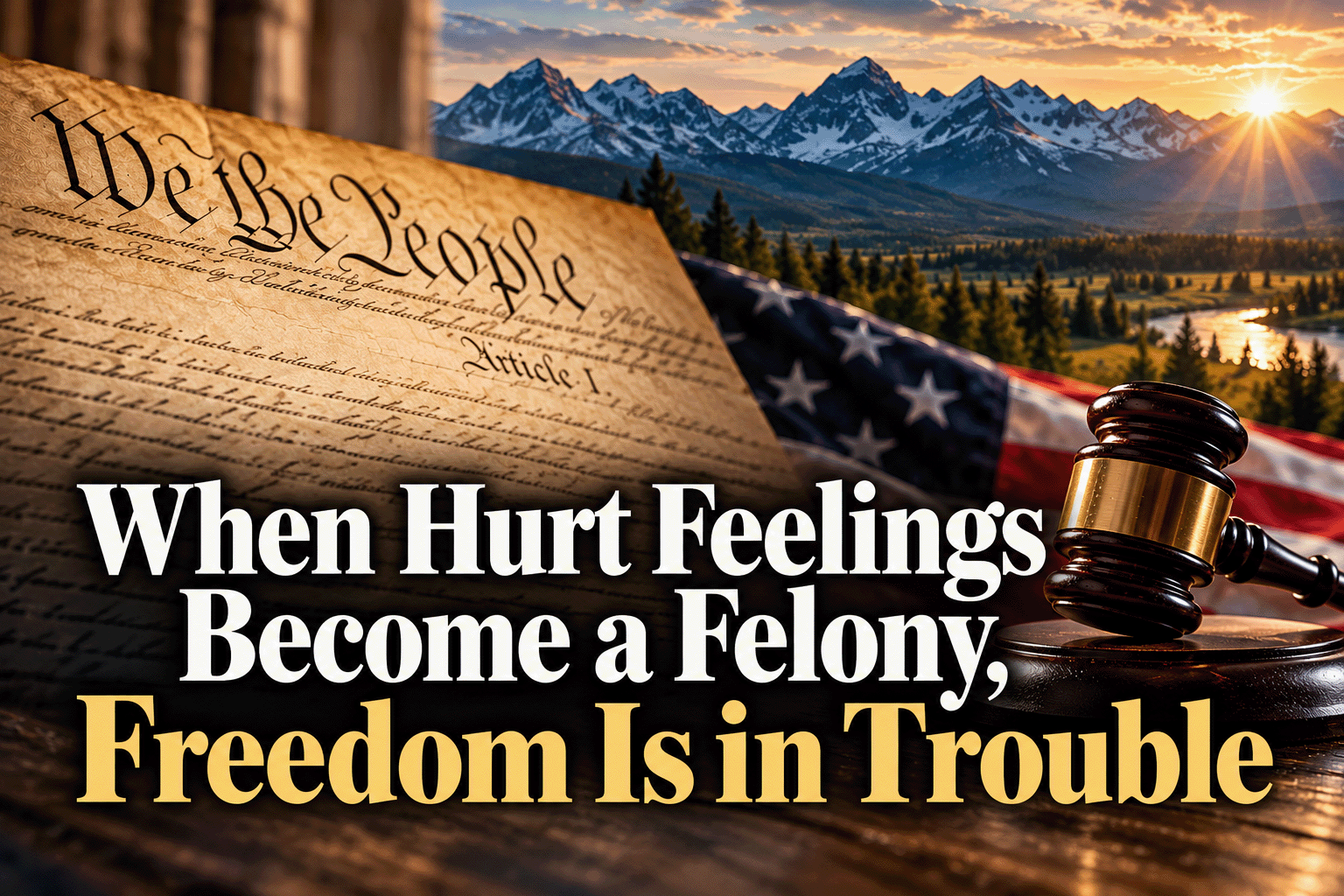
I recently read about a young Montana man facing a felony charge that could land him in prison for up to five years. The case involves an exchange in which he allegedly told a man of Indian descent to go back to his country. Was that polite? Probably not. Would I encourage it? Absolutely not. But since when did being rude, obnoxious, or annoying become grounds for criminal prosecution? More importantly, when did Americans begin believing government should intervene whenever someone says something another person dislikes?
There is more to this case. The young man is also accused of shoving the individual, which he denies. If an assault occurred, the law should address it. Physical violence is not protected by the First Amendment, but offensive speech can be. We must not confuse the two or allow unpopular words to substitute for proving criminal conduct. Are we prosecuting an actual crime, or punishing someone for expressing an offensive opinion?
Growing up, most of us heard, “Sticks and stones may break my bones, but words will never hurt me.” Perhaps it’s time we brought that lesson back. We’ve developed a culture where too many believe they have a right never to be offended. But freedom doesn’t work that way. The First Amendment wasn’t written to protect polite conversation or popular opinions. It protects our freedom to express ideas, including those others find offensive or ignorant.
Montana Code Annotated § 45-5-221, titled “Malicious intimidation or harassment relating to civil or human rights,” carries penalties of up to five years in prison and a $5,000 fine. The statute includes language concerning an intent to “terrify, intimidate, threaten, harass, annoy, or offend.” Although the statute also requires bodily injury, reasonable apprehension of bodily injury, or property damage, I find the inclusion of the words “annoy” and “offend” particularly troubling. Those are subjective terms that have no business becoming a substitute for proving criminal wrongdoing. What one person considers offensive, another may consider an ordinary disagreement, and government should not be in the business of deciding which opinions are socially acceptable.
Frankly, reading that language makes me wonder whether I’m reading Montana law or something from the United Kingdom. British citizens can face prosecution for certain communications deemed grossly offensive. While Britain recognizes freedom of expression, its protections differ substantially from America’s First Amendment. I don’t want Montana following that path.
During my campaign for the Montana Legislature, I was called just about every name imaginable. People attacked my character, questioned my intelligence, insulted my family, and made statements clearly intended to annoy and offend me. And guess what? It still happens today. Am I calling law enforcement and demanding these people be arrested? Of course not. I recognize that some people are frustrated, while others are simply miserable individuals who seem determined to make everyone around them equally miserable. That’s their choice. I don’t have to agree with them, and I certainly don’t have to lose sleep over what they say. But I’ll defend their constitutional right to say it because freedom of speech means very little if we’re only willing to defend the people we agree with.
Our own Montana Constitution recognizes this balance. Article II, Section 3 states, “In enjoying these rights, all persons recognize corresponding responsibilities.” Article II, Section 7 protects freedom of speech and expression while recognizing responsibility for its abuse. Those provisions recognize that liberty carries responsibility, but they do not give government unlimited authority to punish offensive opinions. Being offended doesn’t mean your constitutional rights have been violated.
As a Montana legislator, I believe we must examine laws that could threaten the rights of those we represent. Montana should punish assault, credible threats, and property destruction, but constitutionally protected expression must remain protected. I’ve submitted a bill to amend MCA § 45-5-221 to remove the language “annoy” and “offend” which will prevent government overreach.
Our Founding Fathers understood that preserving liberty requires tolerating opinions we dislike. Once government can punish speech merely because someone finds it objectionable, everyone’s freedom is at risk. I’d rather live in a country where people are free to offend me than one where government decides what I’m allowed to say. We should teach our children to develop thicker skin while reminding government that its responsibility is to protect our rights, not our feelings.
Representative Trevor Walter, Montana House District 69
‘NO AD’ subscription for CDM! Sign up here and support real investigative journalism and help save the republic!
Author

Trevor Walter
Share


More Like This

“Pastor, You’re Too Political. No, I’m Biblical!”

Montana’s Buried Treasure